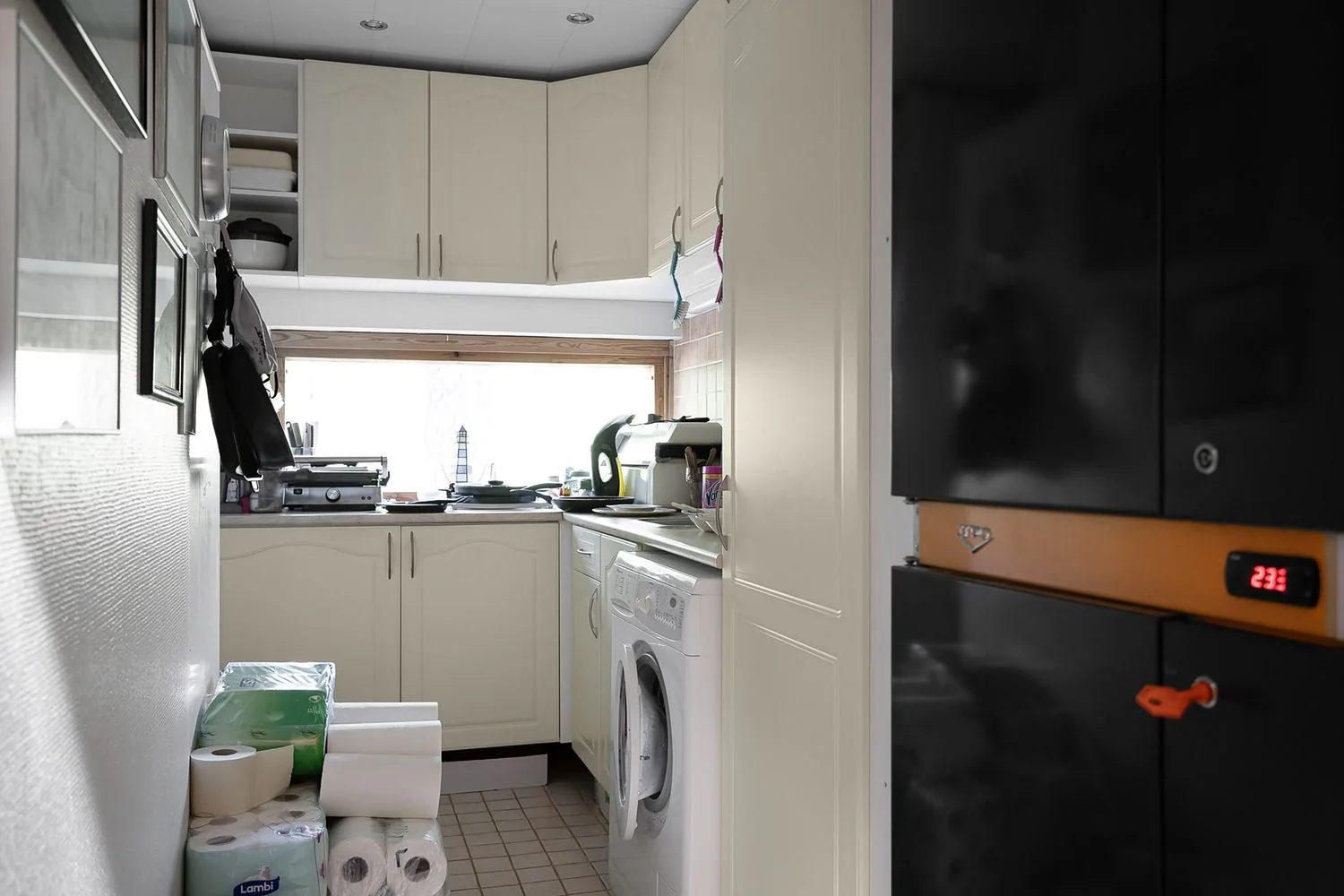
A hall room and a room in a shared flat can show the same headline price while producing different costs. Compare two specific offers rather than the housing types in the abstract. Location, contract duration and included equipment may matter more than the label attached to the accommodation.
Use the same cost fields
For both offers, record the monthly payment and services actually included. Add electricity, internet or other separate agreements where required. Ask how flat charges and advance payments are treated. A shared table structure prevents counting more costs for one option than the other.
Place the deposit, transport and missing furnishings alongside the monthly figures. Furnished accommodation may reduce initial purchases, but check its actual condition and contents. An existing table is not automatically a suitable study desk. A shared flat may already have communal equipment; establish whether a one-off payment is expected and what it buys.
Timing and travel change the calculation
Consider trips to classes, the library and your job. Lower rent may bring extra travel costs or longer journeys. You need not price every minute, but a timetable that prevents you taking necessary shifts can affect income. Test a typical weekday using your real commitments.
Compare how long each room will be available. A cheaper short stay may require another move. Include later transport and transition costs where foreseeable. An uncertain extension should not be treated as a confirmed place to live for the entire degree.
Clarify shared household spending
In a shared flat, ask how cleaning supplies, shared food and larger replacement purchases are paid for. Small regular contributions add up. Discuss whether purchases require agreement and how balances are settled. A clear process is more useful for budgeting than a general assurance that everyone has always worked something out.
For a hall, examine the communal facilities actually offered. Check how laundry or other extra services are paid for where they are not included. Use the operator's figures instead of assumptions imported from accommodation in another city.
You can then record a monthly amount, startup cost and known uncertainties for each offer. The smallest number need not decide everything: accommodation also has to suit your study routine and living preferences. Separating the figures reveals which differences are financial and which reflect personal priorities.