The move is not financially finished when the keys are handed over. During the first week, several small things may be missing at once: food, a lamp, cleaning materials or the right cable. Each purchase seems modest, but together they can consume money intended to last until the next income payment.
Plan for seven days
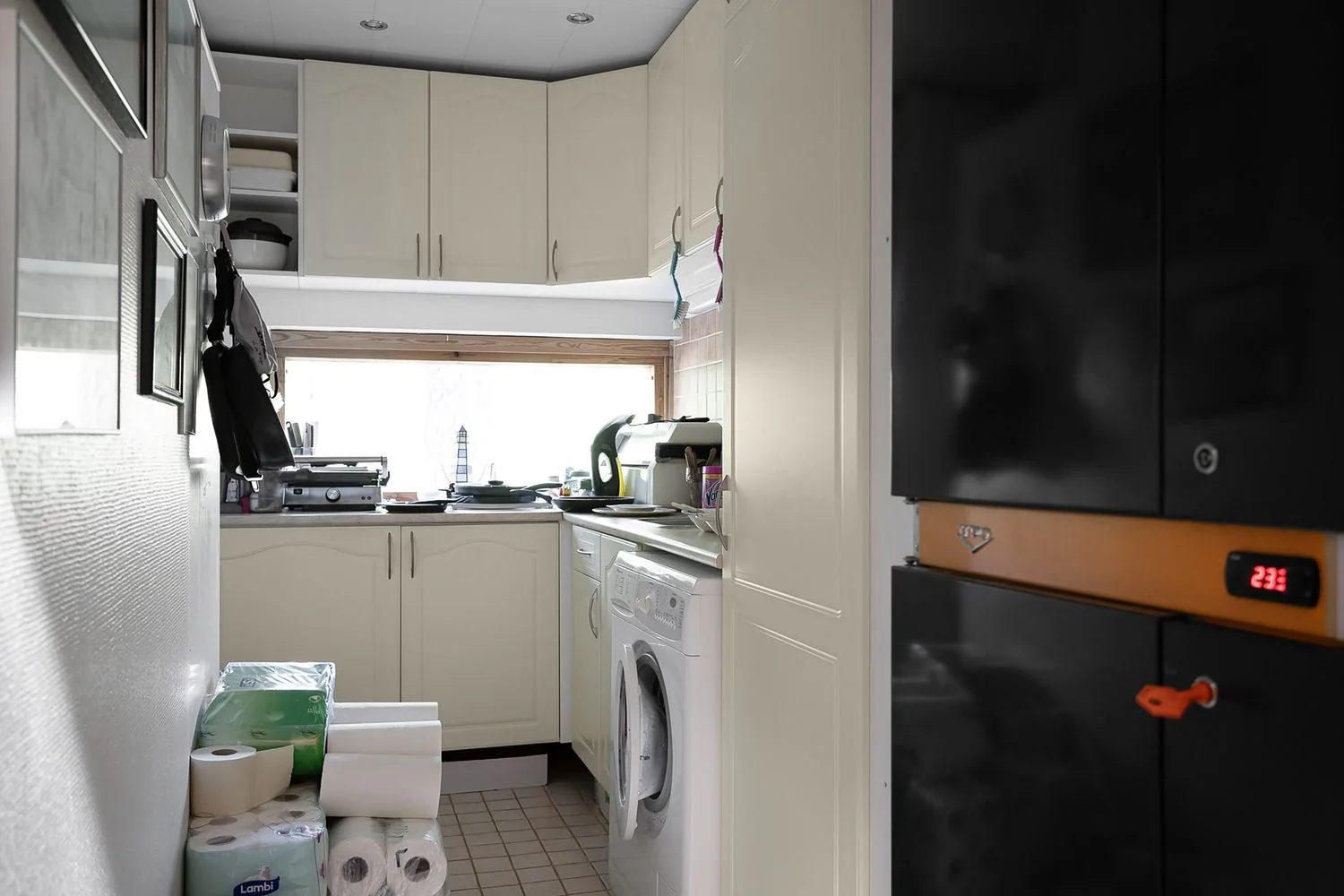
List what must work immediately: sleeping, eating, washing, studying and reaching university. Then check what is actually available. Looking inside cupboards and checking connections can prevent duplicate purchases. Buy first what is required for these basic activities to function.
Plan food for a few specific meals instead of fully stocking the kitchen immediately. Staples you actually use are more helpful than a large collection of unfamiliar ingredients. Check that the cooker, refrigerator and utensils are usable too. A seemingly cheap shopping list does not work if the meals cannot yet be prepared.
Separate necessary purchases from later ones
A chair for the study desk may be urgent; extra decoration is not. Give postponable purchases a later date. This is not a permanent refusal to buy them, but a way to avoid tying up every available euro during arrival. Borrowing an item or using a temporary alternative can create time for a better comparison.
Remember journeys and delivery. An inexpensive item across the city may require several trips or paid transport. Combine purchases where useful, but not by adding unnecessary things. A minimum order value is not a need in its own right.
Do not spend the whole account balance
Set aside next month's rent, known debits and money required until the next dependable payment. What remains limits additional moving-in purchases. Include announced funding only when its payment timing is sufficiently clear. Administrative decisions and transfers may happen at different times, especially at the start.
Record actual spending on your phone or a short list. After seven days, distinguish one-off costs from those belonging in the normal monthly budget. This prevents an expensive arrival week from becoming an assumed permanent lifestyle, while also ensuring that genuine recurring costs are not forgotten.