Phone and internet costs are often treated as one small fixed item in a student budget. Device payments, extra options, different billing cycles and shared connections can actually create several costs. A semester review should therefore begin with real bills rather than a memory of the original advertised price.
Separate the services on the bill
Record the base tariff, device payment and additional services individually. Check whether an introductory discount is ending. A plan that suited the first month may look different later. Comparisons need the price over the relevant period, not just the lowest highlighted amount.
Pay attention to billing frequency. Consumer advice guidance distinguishes calendar-month charges from four-week charges: a four-week package is charged more often over a year. Compare annual costs or another common period. An identical headline package price does not automatically mean an identical yearly burden.
Observe actual use
Review several past periods. How much data was really needed, and when did it run out? One journey need not determine the tariff for every semester. Conversely, a small package with regular paid top-ups can cost more than an appropriately sized base plan. Record those additions so they do not disappear from the comparison.
Consider where the connection is needed: home, university, commuting and possibly a placement. A cheap tariff is of limited use if the required service is unreliable there. Use available information and personal experience rather than assuming a large advertised data allowance means suitable coverage.
Include the household connection
For shared internet, establish who holds the contract and how costs are divided. Someone moving out does not automatically end the underlying agreement. Discuss changes in the household and which amounts will be shared until which date. Private arrangements and obligations to the provider are separate matters.
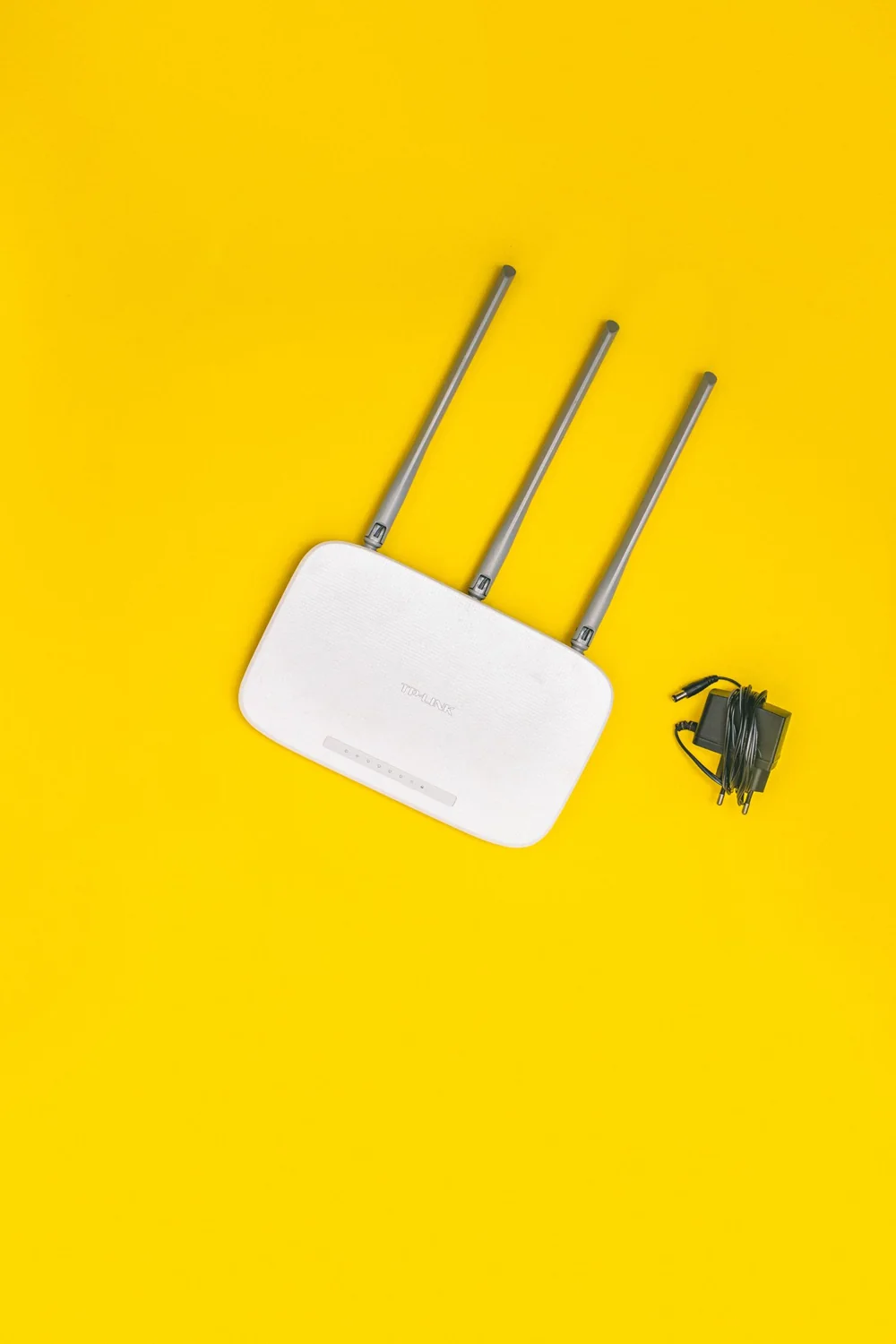
For a new connection, compare one-off costs and continuing equipment payments. Renting a router and buying a compatible device create different payment patterns. Calculate over the expected usage period and check the actual requirements. A larger initial purchase may appear economical overall while still being unaffordable on moving day.
Schedule changes deliberately
Find the minimum term, cancellation or amendment procedure and end of any promotion in the documents. Set a review date early enough to act. Avoid an unintended period of double payment caused by overlapping contracts. Retain confirmations and check the first bill after a change.
The result is a clear monthly communications figure plus a separate view of irregular costs. Allocate any saving deliberately within the study budget. Money saved improves funding only if it is not quietly consumed by another option or an earlier device upgrade.