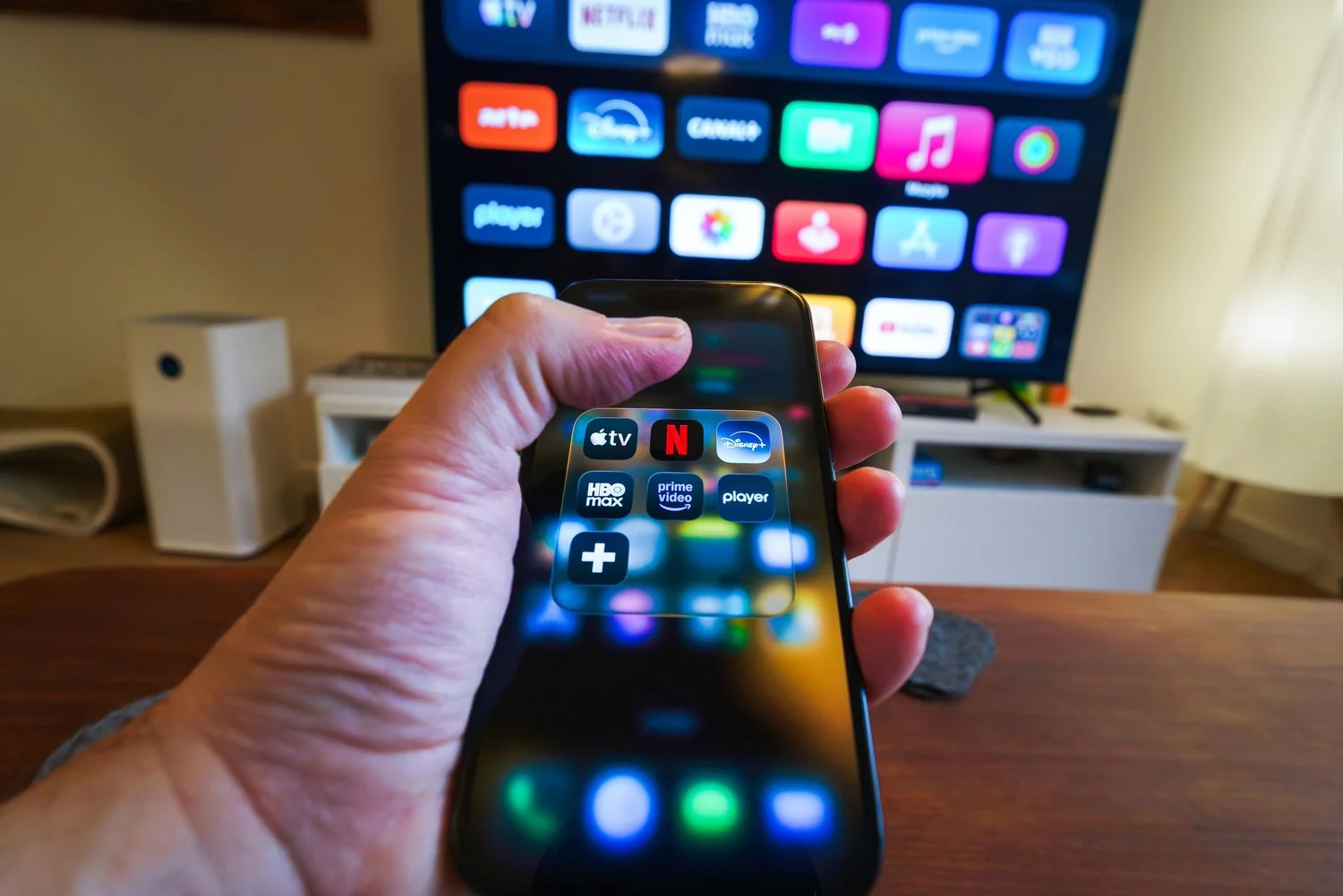
A subscription can look insignificant on its own. Several small payments together may use up the money you need for course materials or a trip home. Reviewing subscriptions before a new semester therefore starts with real transactions rather than remembering which apps you use.
Check recent bank and card statements, then look further back for annual payments. Include subscriptions billed through an app store or another payment service. Record the provider, service, price, billing frequency and next known payment date. There is no need to store full card details in this list.
Separate usefulness from contractual commitments
First identify which services you expect to need next semester. An inexpensive subscription can still be wasted if you do not use it. Then read the relevant contract or account settings to find out how cancellation or changes work. Deleting an app does not necessarily cancel its subscription. Nor should you assume an introductory discount continues indefinitely.
For a hypothetical annual bill of €84, the monthly equivalent is €7. The full €84 still has to be available on the payment date. Setting aside €7 each month works only if twelve months remain before that date. If payment is closer, divide the amount still needed by the number of saving opportunities left.
Avoid creating a new commitment while trying to save
Compare an annual discount with how long you genuinely expect to use the service. A monthly option can cost less overall when you need access for only three months. Check whether a proposed cheaper plan also adds other services or contracts that you do not need.
Keep confirmation of cancellations and plan changes, and inspect the next bill to ensure the change took effect. If a charge is unclear, contact the provider through its official channel. A failed payment does not resolve the underlying agreement and may create further difficulties.
Only enter the saving in your student budget when it becomes effective. Give the released money a specific purpose, such as a known course expense or semester contribution. Otherwise it can disappear into unrelated purchases while the original funding gap remains. Schedule the next review around a real change in your study needs rather than checking every account constantly.