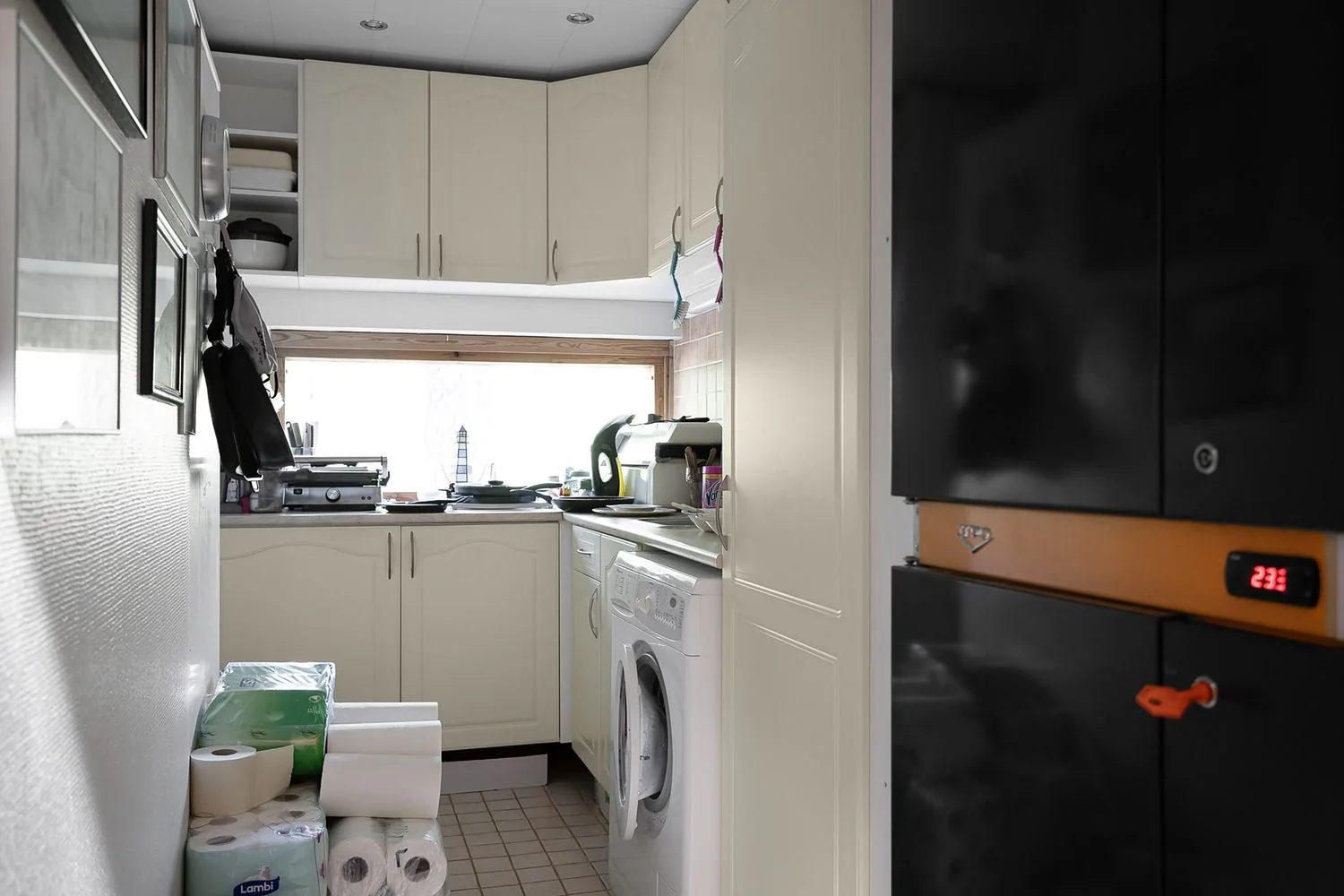
A shared household fund works when everyone knows which expenses belong in it. A shopping basket can contain cleaning supplies for the whole flat alongside food for one person. Agreeing on those differences before paying is easier than debating individual receipt lines afterwards.
Separate the types of spending
Distinguish regular household supplies, jointly approved purchases and personal shopping. Washing-up liquid and bin bags might come from the shared fund. A new vacuum cleaner needs a separate agreement about its price, ownership and what happens when someone moves out. Food can remain personal or follow an explicit sharing arrangement. Nobody should discover only after a purchase that they are expected to contribute.
A basic ledger is enough. Record the date, item, amount, person who paid and people sharing the expense. Keep the receipt somewhere those people can access without exposing private banking information. A complete bank statement is unnecessary. Enter cash purchases promptly rather than relying on memory at the end of the month.
Different purchases can involve different people
In a hypothetical three-person flat, household supplies cost €24 and are divided equally. Each person owes €8. Two housemates also buy €18 of food to cook together; the third does not participate. The two diners each owe another €9. Dividing the full €42 into thirds would charge someone for a purchase they did not share. This is an example of an agreement, not a universal rule for shared accommodation.
Choose a regular settlement date. Monthly balancing may work if everyone can afford to advance money. Smaller, more frequent payments may suit a tighter budget. One housemate should not become the group's permanent lender by accident. If the ledger shows an increasing amount owed to the same person, change the purchasing or payment arrangement before it becomes a source of conflict.
Plan for changes in the household
Discuss longer absences in advance. Fixed household charges and food actually consumed together are different types of cost. Record which jointly owned objects stay in the flat when someone leaves and whether any payment is expected. Their original purchase price is not automatically their present value.
In your personal student budget, include your expected share as a distinct expense. Review it after several settlements. This gives you an evidence-based number instead of assuming that sharing accommodation necessarily reduces every part of everyday spending. Keep the method simple enough that everyone continues using it.